
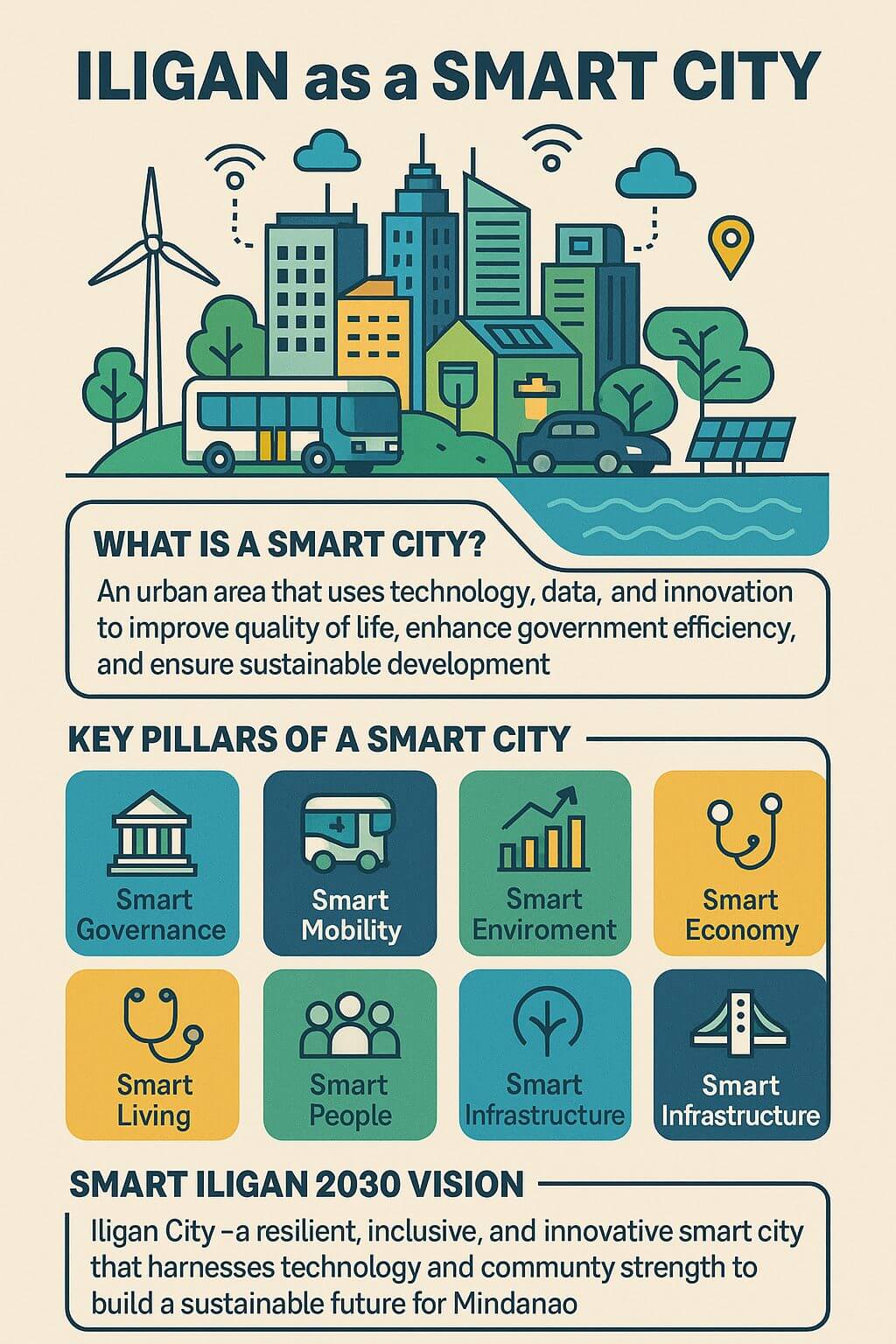
A smart city is an urban area that uses technology, data, and innovation to improve the quality of life of its people, enhance government efficiency, and ensure sustainable development.
At its core, a smart city connects people, infrastructure, and digital systems to make everyday living more efficient, responsive, and sustainable.
In simpler terms:
It’s a city that uses technology + data + citizen participation to solve problems — from traffic to floods, waste, power, and governance.
💡 Key Pillars of a Smart City
- Smart Governance – e-Government systems, open data, online permits, citizen feedback platforms
- Smart Mobility – Intelligent traffic systems, smart public transport, electric vehicles
- Smart Environment – Waste management, flood monitoring, renewable energy, green zones
- Smart Economy – Digital startups, innovation hubs, IT-BPO centers, e-commerce zones
- Smart Living – Digital healthcare, smart homes, education technology
- Smart People – Digital literacy, citizen engagement, inclusive participation
- Smart Infrastructure – Fiber internet, IoT sensors, resilient and sustainable utilities
🇵🇭 The Smart Cities Initiative (Philippine Context)
Under the Department of Information and Communications Technology (DICT) and Department of the Interior and Local Government (DILG), the Smart City Initiative is part of the Philippine Digital Cities 2025 program and E-Governance Act implementation.
Its goal:
“To make cities more livable, sustainable, and resilient through digital transformation and innovation.”
Cities like Iloilo, Baguio, Davao, and Cebu have started pilot projects in digital governance, traffic monitoring, flood sensors, and innovation hubs.
🌉 How Iligan Can Become a Smart City
Iligan already has the right foundations — strong universities like MSU-IIT, growing digital creatives and tech hubs, and a rich natural environment that can support sustainable urban design.
Here’s a roadmap for Smart Iligan under the Smart Cities Initiative:
1. Digital Governance
- Launch an Iligan Smart Portal for permits, taxes, and citizen reporting
- Integrate open data dashboards for transparency (e.g., budget, traffic, environment)
- Use AI-powered chatbots for city services (permits, complaints, info)
2. Smart Mobility & Transport
- Implement real-time traffic monitoring via IoT sensors and cameras
- Develop electric jeepney routes and integrated transport cards
- Create a City Mobility App showing routes, schedules, and bike paths
3. Smart Environment
- Install flood sensors and early warning systems in hazard-prone barangays
- Use solar-powered streetlights and waste segregation tracking
- Develop a Green Belt Zone around Mandulog and Agus rivers
4. Smart Economy
- Establish Digital Creatives Hub Iligan as a local innovation center
- Incentivize tech startups and BPOs to locate in the Iligan IT and Business Park
- Promote Smart Tourism with digital maps, AR tours, and local business integration
5. Smart Infrastructure
- Expand fiber-optic connectivity citywide
- Integrate GIS-based planning for zoning, hazards, and utilities
- Build a City Operations Center (COC) for real-time monitoring of data
6. Smart People & Education
- Partner with MSU-IIT, IMCC, St. Michael’s College for smart city R&D
- Offer digital skills training via DICT and local incubators
- Encourage citizen co-creation — apps, hackathons, civic tech events
7. Smart Resilience
- Integrate disaster dashboards showing rainfall, earthquakes, and evacuation sites
- Promote smart barangay systems for rapid communication and aid
🌿 Vision: Smart, Green, and Resilient Iligan 2030
A vision statement could be:
“Iligan City — a resilient, inclusive, and innovative smart city that harnesses technology and community strength to build a sustainable future for Mindanao.”





Recent Hot Topics
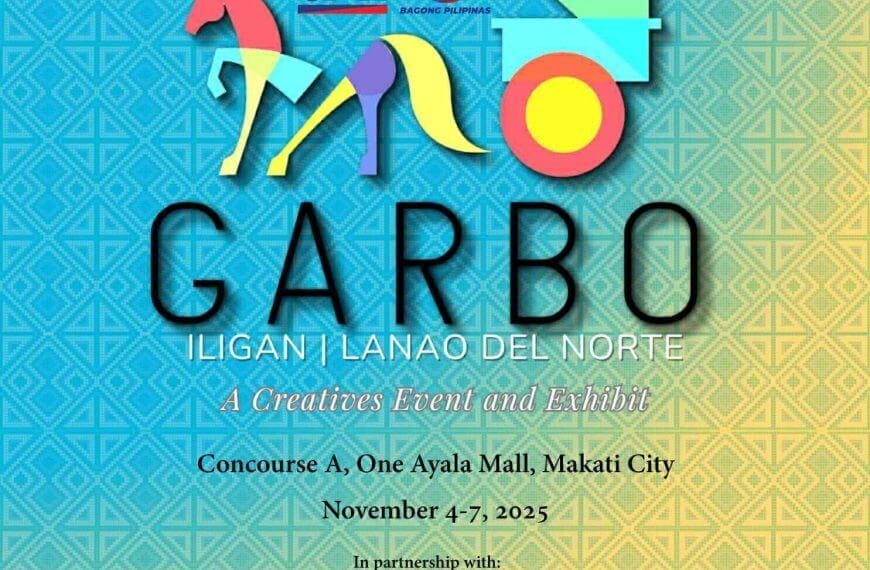
Experience GARBO 2025: Iligan’s Pride Takes Center Stage in Metro Manila
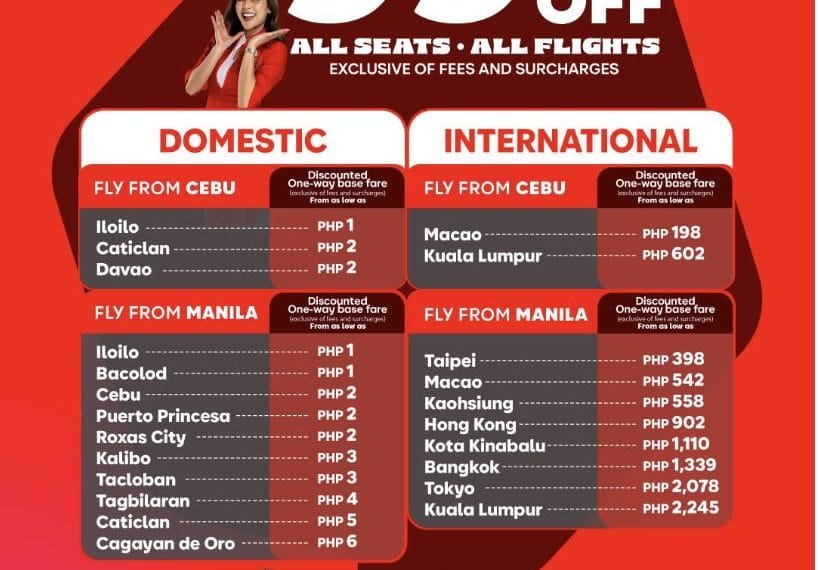
Unbeatable AirAsia Sale: Fly to Your Dream Destination for Less Than the Price of Coffee
Safety First: Iligan Engineers Lead Citywide Building Inspections After Earthquake Tremor